
Tamil Nadu’s NEET Exemption Bill: A Struggle for Educational Equity and Social Justic
“The imposition of NEET has not only restricted opportunities for Tamil Nadu’s rural and marginalized students but also threatens the State’s legacy of inclusive medical education.” – Tamil Nadu Chief Minister M.K. Stalin
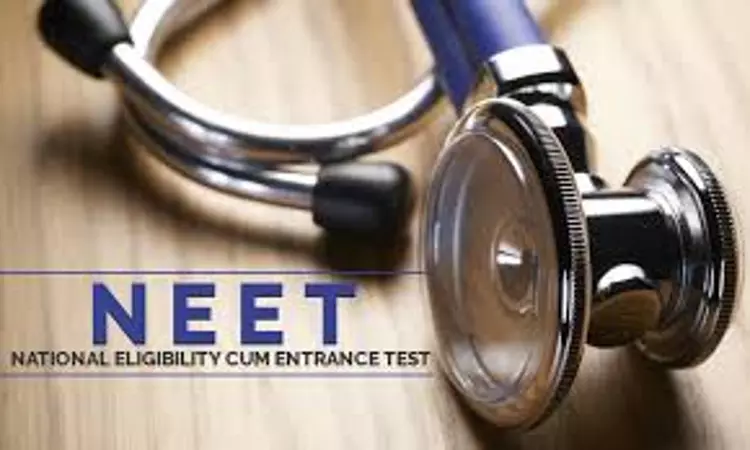
On April 4, 2025, President Droupadi Murmu withheld assent to the Tamil Nadu Admission to Undergraduate Medical Degree Courses Bill, 2021, reigniting a fierce debate over the National Eligibility-cum-Entrance Test (NEET) and its implications for educational equity in the State. The Bill, which sought to exempt Tamil Nadu from NEET and restore admissions based on Class XII marks, reflects the State’s longstanding opposition to a centralized exam that it argues undermines social justice and federal principles. The Union government’s rejection of the Bill, citing the need for a uniform national standard, has set the stage for a renewed legal and political battle.
The Tamil Nadu Legislative Assembly unanimously passed the Bill on September 13, 2021, following recommendations from a high-level committee led by retired High Court judge Justice A.K. Rajan. The committee’s report underscored NEET’s adverse impact on rural and socio-economically disadvantaged students, arguing that the exam favors those with access to expensive coaching and urban educational resources. By proposing admissions based on Class XII marks, the Bill aimed to revive a system that Tamil Nadu credits for its robust medical education framework and equitable access to healthcare professions.
The President’s decision marks the latest chapter in a contentious journey. Governor R.N. Ravi initially returned the Bill in February 2022, prompting the Assembly to re-adopt it on February 8, 2022, after an all-party consensus. Despite Tamil Nadu’s detailed submissions to Union Ministries, the Centre’s refusal to grant assent has drawn sharp criticism from Chief Minister M.K. Stalin, who called it “a blow to cooperative federalism and the democratic will of Tamil Nadu’s people.” On April 9, 2025, an all-party meeting resolved to pursue legal recourse, potentially through a fresh Supreme Court challenge, to secure the exemption.
NEET’s Impact on Tamil Nadu: An Analysis
The introduction of NEET in Tamil Nadu in 2017 disrupted a well-established admission system that relied on Class XII marks, which the State argues was more inclusive and aligned with its social justice goals. The Justice A.K. Rajan committee’s 2021 report provides a comprehensive analysis of NEET’s impact, revealing stark disparities in access to medical education:
Rural-Urban Divide: The report found that NEET disproportionately benefits urban students with access to coaching centers, which charge exorbitant fees. In 2016-17, before NEET’s implementation, 60% of medical admissions in Tamil Nadu were from rural areas. By 2020-21, this figure dropped to 45%, with urban students dominating due to better access to preparatory resources.
Socio-Economic Barriers: NEET’s reliance on a single, high-stakes exam disadvantages students from economically weaker sections. The committee noted that coaching costs, often exceeding ₹1 lakh annually, are unaffordable for most Tamil Nadu families, particularly in rural and semi-urban areas. This has led to a decline in representation from backward and most backward classes in medical courses.
Impact on Diversity: Tamil Nadu’s pre-NEET system ensured diverse representation in medical colleges, enabling students from marginalized communities to pursue careers in healthcare. The committee reported a 15% drop in admissions of students from Scheduled Castes and Tribes since NEET’s introduction, threatening the State’s inclusive healthcare workforce.
Psychological Toll: The pressure of NEET has been linked to tragic outcomes, with over 15 student suicides reported in Tamil Nadu since 2017, attributed to exam stress or fear of failure. These incidents have galvanized public sentiment against the exam, framing it as a barrier to opportunity rather than a meritocratic tool.
Healthcare Implications: Tamil Nadu’s public healthcare system relies heavily on doctors from diverse backgrounds who serve in rural areas. The committee warned that NEET’s exclusionary impact could exacerbate doctor shortages in underserved regions, undermining the State’s healthcare achievements.
A Federal and Social Justice Debate
Tamil Nadu’s opposition to NEET is rooted in its commitment to social justice and regional autonomy. The State argues that its pre-NEET system, which considered Class XII marks alongside reservation policies, produced a diverse and competent medical workforce without compromising merit. Critics of NEET, including Mr. Stalin, contend that the exam’s standardized approach ignores regional disparities in educational infrastructure and access to resources, effectively favoring privileged students.
The Union government, however, defends NEET, citing the Supreme Court’s 2020 ruling in Christian Medical College, Vellore Association vs. Union of India, which upheld the exam as a means to ensure merit and prevent commercialization of medical admissions. Proponents argue that a uniform entrance test promotes fairness and standardization across States. Yet, Tamil Nadu’s experience suggests that its alternative system not only upheld merit but also advanced equity, enabling doctors from rural and marginalized backgrounds to strengthen the State’s healthcare system.
The NEET exemption debate raises broader questions about the balance between national policy and regional autonomy. Tamil Nadu’s fight is not merely about an entrance exam but about preserving a vision of education that prioritizes inclusivity and social justice. As the State prepares to challenge the President’s decision in court, the outcome will likely influence educational policy and federal dynamics across India.
For Tamil Nadu, the stakes are high. The NEET controversy has become a symbol of resistance against perceived central overreach and a rallying cry for equitable education. Whether through legal victories or sustained political pressure, the State’s pursuit of an exemption underscores its determination to reclaim control over its educational destiny.